4905 Green Road, #111, Raleigh, NC 27616


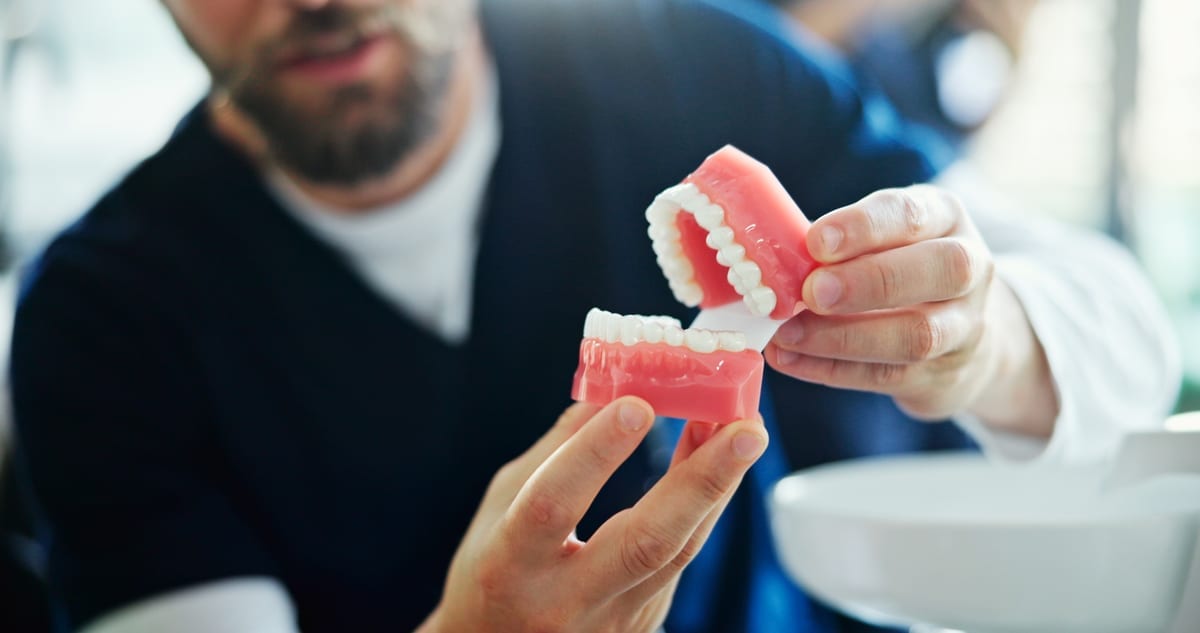
Choosing the right denture can feel overwhelming. There are several options available, and each one works differently. If you are weighing full vs partial vs implant dentures for your smile in Raleigh, this guide will help you understand your choices. Dr. Mihir Bava at Gentle Smiles of Raleigh is here to walk you through each option clearly.
Missing teeth affect more than your appearance. They can change how you speak, chew, and feel about yourself. Fortunately, modern dentistry offers multiple paths to a restored smile. The best fit depends on how many teeth you have lost, your bone health, and your long-term goals.
Understanding Full Dentures: Who They Are Best For
Full dentures replace an entire arch of teeth. They are removable appliances that rest on your gum tissue. Patients who have lost all their upper or lower teeth are the primary candidates. They can also serve patients who need all remaining teeth extracted before starting fresh.
Traditional full dentures rely on suction and the natural contours of your gums. They do not require any remaining natural teeth to stay in place. Many patients in Raleigh choose full dentures as a cost-effective solution. Adjustments are often needed as the jawbone changes shape over time.
Here is what the full denture process typically involves:
- A comprehensive exam to assess your gum and bone health
- Extractions of any remaining teeth, if needed
- Impressions taken to custom-fit your denture
- A healing period before the final denture is placed
- Follow-up visits for fit adjustments
Full dentures can take some getting used to. Speech and eating may feel different at first. Most patients adapt within a few weeks of consistent wear.
What Are Partial Dentures and Who Needs Them in Raleigh?
Partial dentures are designed for patients who still have some natural teeth remaining. They fill the gaps left by one or more missing teeth. A metal or acrylic framework holds the partial in place by clasping onto nearby natural teeth. This makes them a practical option when healthy teeth still anchor the appliance.
Partials also help preserve the alignment of your remaining teeth. When a gap is left unfilled, neighboring teeth can shift over time. Partials prevent that movement while restoring your chewing function. They are removable, easy to clean, and relatively affordable.
Patients considering partials should know they work well alongside other restorations. For example, if adjacent teeth need reinforcement, Dental Crowns Raleigh can be placed first to strengthen the anchor teeth. Another alternative worth exploring is Dental Bridges Raleigh, which permanently closes gaps using surrounding teeth for support.
Key benefits of partial dentures include:
- Preserve the position of your remaining natural teeth
- Restore chewing ability across multiple missing teeth
- Custom-made to blend with your natural smile
- Removable for easy daily cleaning
- A less invasive option compared to surgery
Implant-Supported Dentures: A Stable, Long-Term Solution
Implant-supported dentures combine the stability of dental implants with the coverage of a full or partial denture. Small titanium posts are surgically placed into the jawbone. The denture then snaps or locks onto these implants. This eliminates the slipping and instability that traditional dentures can cause.
Implant dentures are ideal for patients who want a more permanent feel. They are also better for bone health. When teeth are lost, the jawbone begins to shrink without stimulation. Implants mimic natural tooth roots and slow that bone loss significantly.
There are two main types of implant dentures. Fixed implant dentures are permanently attached and only removed by a dentist. Removable implant dentures snap on for daily wear and can be taken out for cleaning. Both offer far superior stability compared to conventional dentures.
The implant process requires good overall health and adequate bone density. Patients who have experienced significant bone loss may need a bone graft first. Dr. Bava evaluates each patient individually to determine candidacy. A thorough consultation is the first step in this journey.
Comparing Your Options: Full vs Partial vs Implant Dentures
Each denture type serves a different clinical need. Understanding the differences helps you have a more informed conversation with your dentist. Here is a side-by-side look at the three options.
Full Dentures work best when all teeth in an arch are missing. They are removable, non-surgical, and generally more affordable upfront. However, they can shift during eating and may require adhesive for comfort.
Partial Dentures are ideal when several teeth remain healthy. They protect those existing teeth while filling visible gaps. They attach using clasps and are removed nightly for cleaning.
Implant-Supported Dentures offer the most stability and closely mimic natural teeth. They require a surgical procedure and a longer treatment timeline. However, they tend to offer the best long-term function and bone preservation.
Factors that influence your choice include:
- How many teeth are missing and their location in your mouth
- The health and density of your jawbone
- Your overall medical health and healing ability
- Your preferences for maintenance and daily care
- Your long-term goals for comfort and function
Making Your Decision With Dr. Bava in Raleigh
No single denture solution fits every patient perfectly. That is why a personalized consultation matters so much. Dr. Mihir Bava takes the time to review your full dental and medical history. He then recommends the option most aligned with your oral health and lifestyle.
At Gentle Smiles of Raleigh, patient education is a top priority. We believe you should fully understand your options before making any decisions. Our team will explain each step of the process clearly. We want you to feel confident and comfortable throughout your care.
Raleigh patients deserve a restored smile that functions beautifully and looks natural. Whether you need a simple partial or a full set of implant-supported dentures, our practice is equipped to help. We provide a warm, supportive environment where your questions are always welcome. Book Now to schedule your appointment with our team.
Frequently Asked Questions
How long do dentures typically last?
Traditional full and partial dentures usually last between five and ten years before needing replacement. Implant-supported dentures can last much longer with proper care. Regular dental checkups help ensure your denture continues to fit correctly over time.
Are implant dentures painful to get?
The implant procedure is performed under local anesthesia, so you should not feel pain during placement. Some soreness and swelling are normal in the days following surgery. Most patients find the discomfort manageable and describe the recovery as milder than expected.
Can I eat normally with dentures?
Most patients adapt to eating with dentures within a few weeks. Full and partial dentures may require avoiding very hard or sticky foods. Implant-supported dentures offer stronger biting force and allow for a wider range of foods more comfortably.
Do partial dentures affect speech?
There may be a short adjustment period where certain sounds feel different. Most patients regain normal speech patterns within a few weeks. Practicing speaking aloud at home can speed up the adjustment process considerably.
How do I care for my dentures each day?
Removable dentures should be cleaned daily with a soft brush and non-abrasive denture cleaner. They should be soaked overnight to maintain their shape. Implant-supported dentures require brushing around the implant posts and regular professional cleanings at your dental office.