4905 Green Road, #111, Raleigh, NC 27616


When patients visit Gentle Smiles of Raleigh, one question comes up often: why did my dentist recommend a crown instead of a veneer — or the other way around? Understanding crowns vs. veneers and why your dentist recommends one over the other in Raleigh starts with knowing how each restoration works. These two treatments look similar on the surface. But the clinical reasoning behind each choice is very different. Dr. Mihir Bava walks patients through this decision every week, and it all comes down to the health, structure, and function of your tooth.
What Is the Core Difference Between a Crown and a Veneer?
A dental crown covers the entire visible surface of a tooth. It wraps around the tooth like a cap. A veneer only covers the front-facing surface of a tooth. It is a thin shell bonded to the front side only.
Because of this difference in coverage, each restoration requires a different amount of tooth preparation. Crowns require removing more of the natural tooth structure. Veneers require only minimal reshaping of the enamel. This structural difference drives most of Dr. Bava’s clinical decisions.
Think of it this way. A crown is a full-body restoration. A veneer is a cosmetic surface treatment. Both can dramatically improve how a tooth looks. But they serve very different purposes.
When Dr. Bava Recommends a Crown Over a Veneer in Raleigh
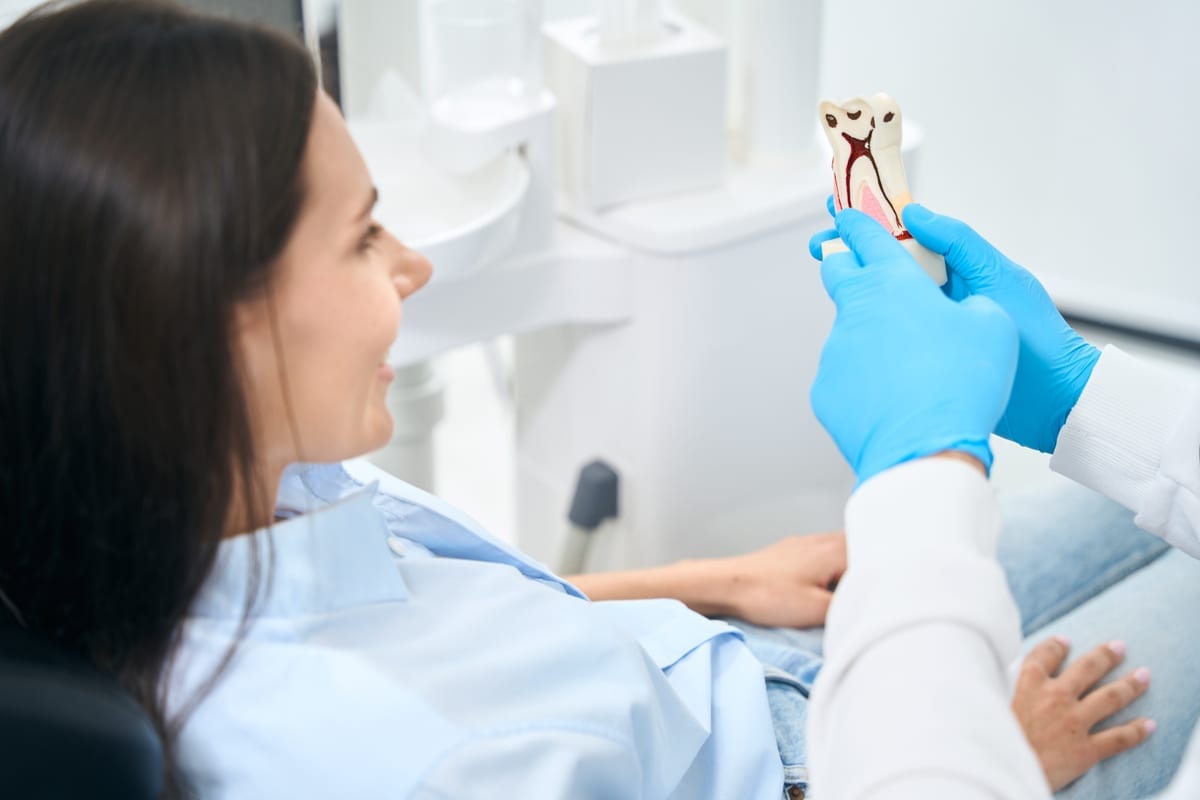
Dr. Bava recommends a crown when the tooth has significant structural damage. This includes teeth that are cracked, broken, or heavily decayed. A veneer cannot protect a compromised tooth. It only addresses the front surface and provides no structural reinforcement.
Crowns are also the right choice after a root canal. Root canal-treated teeth become brittle over time. A crown encases the entire tooth and prevents it from fracturing. Without a crown, a root canal tooth is at real risk of cracking and needing extraction.
Here are the most common clinical reasons Dr. Bava recommends a crown:
- Large cavities that weaken the tooth significantly
- Cracked or fractured teeth that need full structural support
- Teeth restored after root canal treatment
- Teeth with large, failing old fillings
- Severely worn teeth from grinding (bruxism)
- Teeth used to anchor a Dental Bridges Raleigh restoration
In each of these situations, the tooth needs 360-degree protection. A veneer simply cannot provide that level of support.
When a Veneer Is the Better Clinical Choice
Veneers are the right choice when the tooth is structurally healthy. The patient wants to improve how the tooth looks — not repair how it functions. This is the key distinction Dr. Bava makes during every cosmetic consultation.
Veneers work beautifully for teeth that are discolored, slightly misshapen, or have minor chips. They are also an excellent option for closing small gaps between teeth. Because the tooth underneath is healthy, there is no need for the full coverage a crown provides.
Veneers are a core part of Cosmetic Dentistry Raleigh services at Gentle Smiles of Raleigh. Patients often choose them as part of a smile makeover. They are minimally invasive and preserve more of the natural tooth enamel.
Common reasons Dr. Bava recommends veneers include:
- Permanent staining that whitening cannot fix
- Slightly uneven or asymmetrical tooth shapes
- Small chips on otherwise healthy teeth
- Minor gaps or spacing issues between front teeth
- Teeth that appear too short or worn but are structurally sound
The Role of Tooth Structure in This Decision
The single most important factor in choosing between a crown and a veneer is the remaining healthy tooth structure. If a tooth has lost more than about 50% of its natural structure, a veneer will not bond reliably. The veneer needs solid enamel to adhere to. Without it, the restoration will fail.
Dr. Bava always evaluates the tooth with X-rays and a clinical exam before recommending either option. He looks at the amount of remaining enamel, the presence of decay, and whether the tooth is under unusual biting pressure. All of these factors guide the recommendation.
A tooth with a large old filling, for example, may look fine from the outside. But underneath, there may not be enough sound structure to support a veneer. In that case, a crown gives the tooth a much better long-term outcome.
Durability and Longevity: What Raleigh Patients Should Expect
Both restorations are durable when placed correctly. Crowns typically last 10 to 15 years or longer with good care. Veneers last around 10 to 12 years on average. Neither is permanent, but both represent a long-term investment in your smile.
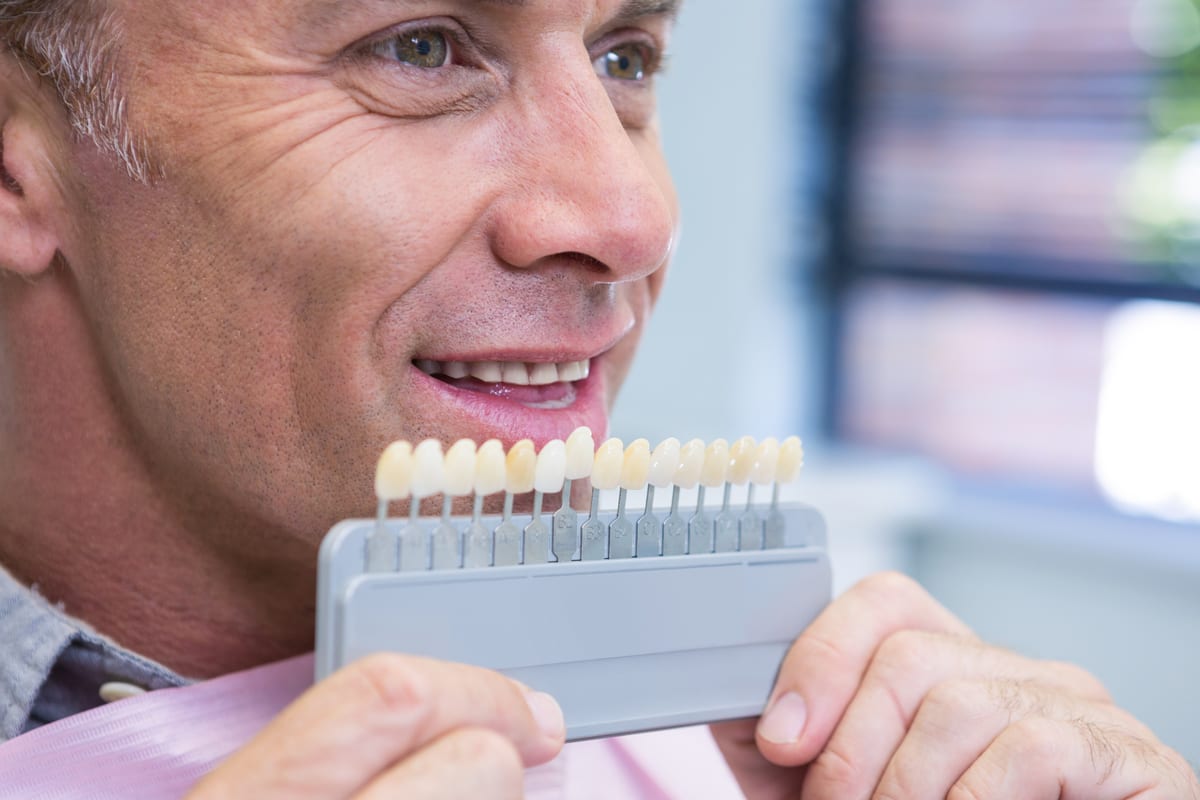
The material used also matters. Both crowns and veneers can be made from porcelain, ceramic, or composite materials. Porcelain is the most natural-looking option and highly stain-resistant. Dr. Bava helps patients choose the right material based on their bite, habits, and aesthetic goals.
Patients who grind their teeth may need special consideration. Heavy grinding puts enormous pressure on both crowns and veneers. Dr. Bava may recommend a custom nightguard to protect whichever restoration is placed.
Making the Right Choice With Dr. Bava in Raleigh
The crowns vs. veneers decision is not one-size-fits-all. Every tooth is different. Every patient’s goals and dental health are unique. That is why Dr. Bava takes time to explain exactly why he recommends one option over the other during your consultation.
Raleigh patients can feel confident knowing this recommendation is based on clinical evidence — not what is easier or more profitable. The goal is always to give the tooth the best possible long-term outcome while meeting the patient’s cosmetic expectations.
If you are unsure which restoration is right for you, a thorough exam and conversation with Dr. Bava will give you a clear answer. Book Now to schedule your appointment with our team.
Frequently Asked Questions
Can a veneer be placed on a tooth that already has a filling?
It depends on the size of the filling. Small fillings generally do not prevent veneer placement. However, large fillings reduce the amount of healthy enamel available. If too much enamel is gone, Dr. Bava will recommend a crown instead. The bond between veneer and tooth depends on solid enamel.
Do crowns look as natural as veneers?
Yes, modern porcelain crowns look very natural. They are designed to match the color, shape, and translucency of your surrounding teeth. Veneers are also highly aesthetic. Both options can produce beautiful, natural-looking results when placed by an experienced dentist like Dr. Bava.
Is the preparation process painful for either treatment?
Neither procedure is painful during treatment. Dr. Bava uses local anesthetic to keep you comfortable. Patients may experience minor sensitivity after the procedure. This typically resolves within a few days. The crown preparation removes more tooth structure, so some patients notice slightly more post-visit sensitivity.
How do I know if I need a crown or a veneer before my appointment?
You may not know until Dr. Bava examines your tooth. Symptoms like pain, visible cracks, or large areas of decay often point toward a crown. If your tooth looks fine but you want cosmetic improvements, a veneer may be more appropriate. A clinical exam is always the first step.
Can I replace a veneer with a crown later if needed?
Yes, in most cases a veneer can be replaced with a crown later. However, additional tooth reduction is required to place a crown. This is why Dr. Bava is careful to choose the right restoration from the start. Placing a veneer on a tooth that truly needs a crown can lead to early failure and more extensive treatment down the road.