4905 Green Road, #111, Raleigh, NC 27616


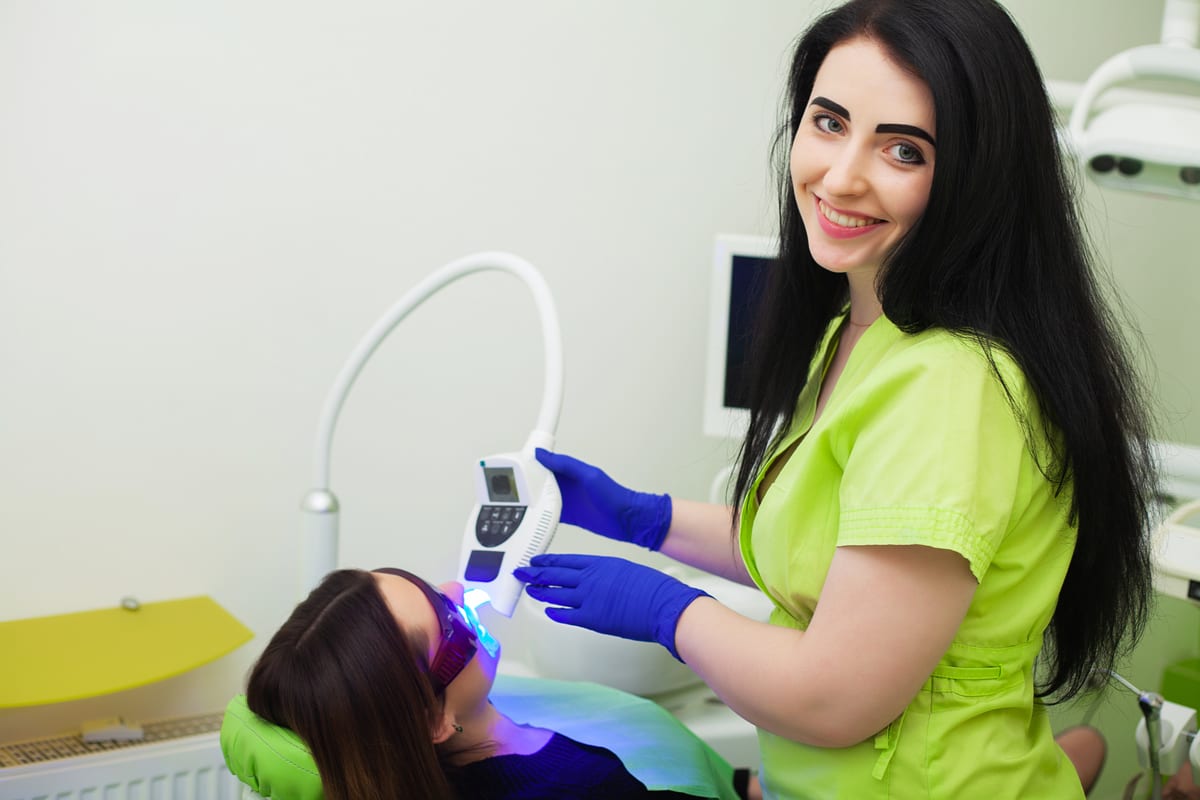
You invested time, money, and excitement into professional teeth whitening. Then, a few months later, the brightness fades. Sound familiar? If you want to keep your whitening results — the real maintenance plan most dentists skip in Raleigh — this guide is for you. Dr. Mihir Bava at Gentle Smiles of Raleigh breaks down exactly what it takes to maintain a bright, confident smile long after your treatment ends.
Why Whitening Results Fade Faster Than You Think
Professional whitening opens tiny pores in your enamel to lift deep stains. This process delivers dramatic results quickly. However, those same pores can reabsorb pigments from food and drinks just as fast.
Most patients notice some degree of fading within four to six weeks without proper care. Factors like diet, oral hygiene, and lifestyle habits all play a role. Understanding why fading happens is the first step to preventing it.
Raleigh patients who skip a follow-up maintenance plan often find themselves returning for repeat whitening sooner than necessary. A consistent strategy protects your investment and keeps your enamel healthier over time.
The Maintenance Plan Most Raleigh Patients Never Receive
Here is the honest truth: many dental offices whiten your teeth and send you home with a generic instruction sheet. That sheet rarely covers the full picture. A real maintenance plan includes touch-up timing, daily product recommendations, and dietary guidance tailored to your lifestyle.
At Gentle Smiles of Raleigh, Dr. Bava recommends a structured approach based on each patient’s sensitivity level and staining history. This is how you truly keep your whitening results and skip the frustration of rapid fading.
A complete plan covers four core areas: touch-up frequency, daily hygiene habits, foods and beverages to limit, and the right at-home products. Each area works together to extend your results significantly.
How Often Should You Schedule Whitening Touch-Ups?
Touch-up frequency depends on your individual habits and the original shade you achieved. Most patients benefit from a professional touch-up every six to twelve months. Heavy coffee or red wine drinkers may need touch-ups closer to every four to six months.
At-home touch-up trays prescribed by your dentist are a practical solution. They use a lower-concentration gel applied for shorter periods. This maintains brightness without over-sensitizing your teeth.
Over-the-counter whitening strips can fill the gap between professional visits. Choose strips with at least 10% carbamide peroxide for noticeable results. Always follow the packaging directions and stop use if sensitivity develops.
Consistency matters more than intensity. Regular light touch-ups preserve your shade far better than waiting until staining becomes severe and repeating a full whitening treatment.
Daily Habits That Protect Your Whitening Results in Raleigh
Your daily routine has the biggest impact on how long your whitening lasts. Simple changes can dramatically slow the return of surface stains. Here are the habits Dr. Bava recommends for every whitening patient.
- Brush twice daily with a whitening toothpaste that contains mild polishing agents.
- Floss every day to remove plaque that traps staining compounds between teeth.
- Rinse with water immediately after consuming staining foods or beverages.
- Use a straw when drinking coffee, tea, or sodas to reduce direct contact with enamel.
- Schedule regular cleanings every six months to remove surface buildup professionally.
- Avoid smoking or tobacco — nicotine stains enamel deeply and reverses whitening quickly.
These habits take very little time but make a measurable difference. Patients in Raleigh who follow this daily routine consistently report brighter smiles at their six-month checkups with Dr. Bava.
Foods and Beverages to Limit After Whitening
Diet is one of the most overlooked parts of whitening maintenance. Certain foods and drinks are highly chromogenic, meaning they deposit strong pigments onto enamel. Limiting these items, especially in the first 48 hours after treatment, is critical.
The first two days after whitening are called the “white diet” period. During this time, your enamel pores are most open and vulnerable to re-staining. Sticking to light-colored, low-acid foods protects your freshly treated teeth.
Beyond the initial period, moderation is key. You do not need to eliminate your favorite foods entirely. However, mindful consumption paired with rinsing habits makes a real difference over time.
- Coffee and tea — among the top causes of whitening fade; drink through a straw and rinse after.
- Red wine — deeply pigmented and acidic; limit consumption and rinse promptly.
- Berries and dark fruits — blueberries, cherries, and pomegranates can stain quickly.
- Tomato-based sauces — high acidity plus deep color make these a double threat.
- Soy sauce and balsamic vinegar — dark condiments coat enamel with persistent pigment.
- Colored sports drinks and sodas — acidic and artificially colored; a bad combination for whitened teeth.
Pairing staining foods with crunchy vegetables like celery or carrots can also help. These act as natural abrasives that gently clean enamel while you eat.
Products That Help You Keep Your Whitening Results Longer
Not all whitening products are created equal. Choosing the right ones makes ongoing maintenance easier and more effective. Dr. Bava recommends a few specific categories for Raleigh patients.
Whitening toothpastes with hydroxyapatite or low-abrasion silica help remove surface stains without damaging enamel. Avoid formulas with overly harsh abrasives, as these can thin enamel over time.
Whitening mouthwashes containing hydrogen peroxide offer a gentle daily boost. Use them as a final rinse after brushing for maximum contact time with enamel surfaces.
Custom take-home trays from your dentist offer the most precise and comfortable at-home option. They fit your teeth exactly, ensuring even gel coverage without gum irritation. Ask Dr. Bava about getting a custom tray set during your next visit.
For patients who also need restorative work, it is worth noting that Dental Crowns Raleigh and Dental Bridges Raleigh do not respond to whitening agents the same way natural enamel does. Plan any whitening treatment before placing crowns or bridges so that restorations can be matched to your new shade.
Your Next Step Toward a Lasting Bright Smile
Maintaining your whitening results is not complicated — it just requires the right plan from the start. Most patients in Raleigh simply were never given that plan. Dr. Mihir Bava and the team at Gentle Smiles of Raleigh are committed to making sure you leave every appointment with a full roadmap for long-term success.
Whether you are preparing for your first whitening treatment or trying to protect results you already have, a personalized consultation makes all the difference. You deserve a smile that stays bright between visits, not just for a few weeks after treatment.
Take control of your whitening results today. Book Now to schedule your appointment with our team.
Frequently Asked Questions
How long do professional whitening results typically last?
Professional whitening results usually last between six months and two years. Duration depends on your diet, oral hygiene habits, and whether you use touch-up products at home. Patients who follow a structured maintenance plan generally see results closer to the two-year end of that range.
Can I whiten my teeth if I have crowns or veneers?
Whitening agents do not change the color of crowns, veneers, or dental bridges. These restorations are matched to your natural tooth shade at the time of placement. If you plan to whiten, it is best to complete whitening first so your restorations can be color-matched to your new, brighter shade.
Is teeth sensitivity after whitening normal?
Yes, mild sensitivity after whitening is very common and usually temporary. It typically resolves within 24 to 48 hours. Using a sensitivity toothpaste in the days before and after treatment can help. If sensitivity is severe or lasts more than a few days, contact your dentist promptly.
How soon after whitening can I drink coffee?
Ideally, avoid coffee and other dark beverages for at least 48 hours after whitening. This is the window when your enamel pores are most open and vulnerable to re-staining. After this period, use a straw and rinse with water promptly after drinking coffee to minimize long-term staining.
What is the best at-home product to maintain whitening between visits?
Custom take-home trays prescribed by your dentist are the most effective option. They provide even coverage and allow you to control the frequency and intensity of touch-ups. Over-the-counter whitening strips with carbamide peroxide are a good secondary option for patients between professional visits.