4905 Green Road, #111, Raleigh, NC 27616


Most Raleigh patients don’t realize their jawbone is shrinking until a dentist shows them the X-ray. A missing tooth looks like a cosmetic problem. But underneath the gumline, something more serious is happening. Your jawbone is shrinking — and why waiting on implants gets costlier in Raleigh is something Dr. Mihir Bava at Gentle Smiles of Raleigh sees firsthand every week.
The longer a tooth stays missing, the more the surrounding bone deteriorates. This process — called bone resorption — happens silently. You won’t feel it. But it changes your face, your bite, and your future treatment options. Understanding the warning signs can save you significant time, money, and discomfort down the road.
Why Your Jawbone Disappears After Tooth Loss
Your teeth do more than chew food. They stimulate the jawbone every time you bite. That stimulation signals the bone to stay strong and dense. When a tooth is gone, that signal stops completely.
Within the first year of tooth loss, you can lose up to 25% of bone width in that area. After three years, the loss becomes even more dramatic. The bone literally shrinks inward, making future implant placement more complicated and expensive.
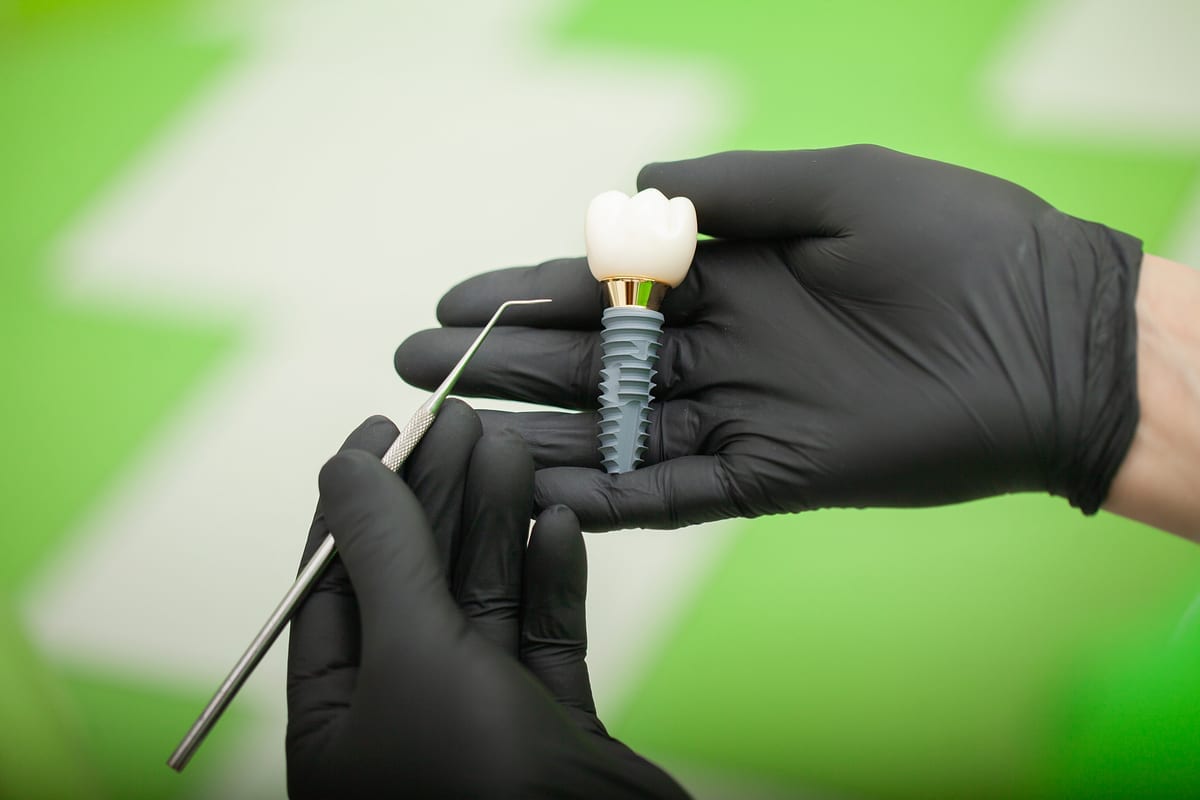
A dental implant mimics a natural tooth root. It sends stimulation back into the bone with every bite. That’s why implants are the only tooth replacement option that actually prevents bone loss — not just covers the gap.
Other options like Dental Bridges can restore your smile’s appearance. But they don’t address what’s happening beneath the surface. Only an implant actually integrates with the bone and halts deterioration.
Warning Signs You’ve Already Waited Too Long in Raleigh
Many patients come to Gentle Smiles of Raleigh thinking they have plenty of time to decide. By then, the signs of bone loss are already visible. Knowing these warning signs helps you understand the urgency.
- Shifting teeth: Neighboring teeth begin to drift toward the empty space. This throws off your entire bite alignment.
- Sunken facial appearance: Bone loss causes the cheeks and lips to appear hollow or aged. Patients often notice this in photos first.
- Difficulty chewing: You may avoid certain foods or chew only on one side without realizing it.
- Gum recession near the gap: The gumline pulls back when there’s no tooth root supporting it from below.
- Loose adjacent teeth: Teeth near the missing space begin to feel unstable as the bone structure weakens.
- Jaw pain or soreness: An uneven bite puts extra pressure on your remaining teeth and jaw joints.
If you recognize any of these signs, bone loss is likely already underway. The question isn’t whether to get an implant — it’s whether you still have enough bone left for a straightforward placement.
How Bone Loss Makes Implants More Complicated and Expensive
When a patient waits too long, they often need a bone graft before getting an implant. A bone graft rebuilds the lost density so the implant has something solid to anchor into. This adds cost, healing time, and additional procedures to the process.
A bone graft can add months to your treatment timeline. You may need to wait four to six months for the graft to integrate before the implant can even be placed. Then you wait again for the implant to fuse with the jawbone. What could have been a straightforward single-implant case becomes a multi-stage process.
Early implant placement — before significant bone loss occurs — is almost always simpler. The bone is still present, dense, and ready. Healing is faster. The overall treatment cost stays lower. Acting early isn’t just about convenience. It’s genuinely the more affordable path.
Teeth that have drifted due to bone loss may also require orthodontic correction before implant placement. Crowns on adjacent teeth might become necessary if those teeth have been overloaded by the uneven bite. Each delay adds another layer of complexity to your care.
What Happens During an Implant Consultation at Gentle Smiles of Raleigh
Dr. Bava takes a thorough, educational approach during every implant consultation. The goal is to give you a clear picture of where your bone health stands today. You’ll understand your options before making any decisions.
Here’s what you can expect during your visit:
- Digital X-rays and 3D imaging: Dr. Bava evaluates existing bone density and volume at the implant site.
- Full oral health assessment: Your gums, neighboring teeth, and bite are all evaluated together.
- Personalized treatment planning: If bone loss has occurred, Dr. Bava explains your options clearly — including grafting if needed.
- Timeline and cost discussion: You receive a realistic picture of what treatment involves before moving forward.
Patients consistently say they wish they had come in sooner. Once they understand what’s been happening beneath the surface, the urgency becomes real. Early action leads to simpler treatment, faster healing, and better long-term outcomes.
Protecting What You Still Have: Your Next Step in Raleigh
You don’t have to wait until teeth shift or your face changes shape. If you have a missing tooth — even one you’ve had for years — it’s worth finding out where your bone health stands right now. Dr. Bava at Gentle Smiles of Raleigh provides compassionate, honest assessments without pressure.
Some patients do need additional support for damaged teeth nearby. Dental Crowns can protect and restore teeth that have been weakened by an uneven bite from years of compensation. Addressing everything together leads to a more stable, lasting result.
The Raleigh community deserves access to straightforward dental education. Understanding the biology of bone loss helps you make confident decisions about your health. It’s not about fear — it’s about facts.
Your jawbone is shrinking silently right now if you have a missing tooth. Every month of waiting narrows your options and raises the complexity of your care. The best time to act was immediately after tooth loss. The second best time is today. Book Now to schedule your appointment with our team.
Frequently Asked Questions
How quickly does jawbone loss happen after tooth loss?
Bone loss begins within weeks of losing a tooth. Studies show you can lose up to 25% of bone width in the first year alone. The process slows over time but never truly stops. This is why early action makes such a significant difference in your treatment options.
Can I still get an implant if I’ve had a missing tooth for several years?
Yes — many patients with long-term tooth loss still qualify for implants. Dr. Bava will evaluate your remaining bone density using digital imaging. If significant bone loss has occurred, a bone graft may be needed first. The process takes longer, but implants are often still possible.
What is bone grafting and does it hurt?
Bone grafting is a procedure that adds bone material to a deficient area of your jaw. It creates a stable foundation for an implant to anchor into. The procedure is performed with local anesthesia so you stay comfortable throughout. Most patients report mild soreness afterward that resolves within a few days.
Are dental implants the only way to stop bone loss?
Dental implants are currently the only tooth replacement option that actively prevents bone loss. They integrate directly with the jawbone, providing the stimulation a natural tooth root once delivered. Bridges and dentures restore appearance and function but do not halt the underlying bone deterioration process.
How do I know if I have enough bone for an implant without a graft?
The only way to know is through a proper clinical evaluation and imaging. Dr. Bava uses digital X-rays and 3D imaging at Gentle Smiles of Raleigh to assess your bone volume precisely. Many patients are surprised to find they have more bone than expected. A consultation gives you a clear, personalized answer.