4905 Green Road, #111, Raleigh, NC 27616


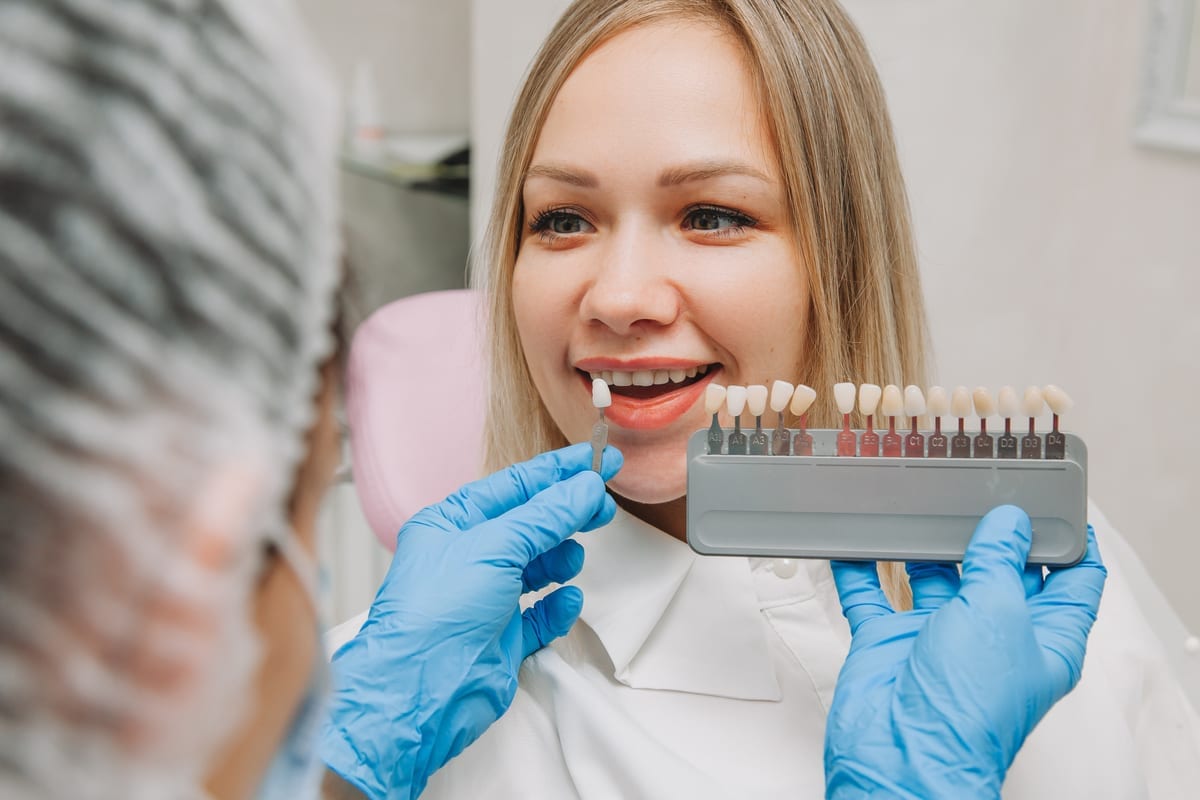
Veneers are one of the most transformative cosmetic treatments available today. But here’s what most patients don’t realize — your veneers will last 20 years if you do this in Raleigh, and it all comes down to daily habits. At Gentle Smiles of Raleigh, Dr. Mihir Bava works with patients to make sure every set of veneers stays beautiful for decades. The good news? The care routine is simple once you know what to do.
What Makes Veneers Last — and What Shortens Their Life
Porcelain veneers are incredibly durable, but they are not indestructible. Understanding what damages them helps you make smarter choices every day. Most premature veneer failures come from a handful of avoidable habits.
Here are the most common causes of early veneer damage:
- Biting fingernails or chewing on pen caps
- Using your teeth to open packaging or bottles
- Grinding or clenching your teeth at night
- Chewing on ice or hard candies regularly
- Skipping routine dental checkups
Each of these habits puts stress directly on the porcelain surface. Over time, small cracks develop and chips become more likely. Protecting your veneers means eliminating these habits as early as possible.
Foods and Drinks to Avoid With Veneers in Raleigh
Diet plays a bigger role in veneer longevity than most people expect. Certain foods and beverages can stain or weaken your veneers over time. While porcelain resists staining better than natural enamel, the bonding material around your veneers can still discolor.
Limit or avoid these items to protect your investment:
- Coffee and dark tea — both stain bonding material over time
- Red wine — a leading cause of veneer discoloration
- Dark-colored sauces like soy sauce or tomato paste
- Sodas and acidic juices — weaken the bonding resin
- Hard foods like raw carrots, hard bread crusts, and nuts eaten carelessly
You don’t have to give everything up forever. Rinsing your mouth with water after consuming staining beverages makes a real difference. Using a straw for coffee or tea also reduces direct contact with your veneers. Small adjustments like these add years to your results.
Daily Oral Care Products That Help Your Veneers Thrive
Not all toothpaste and dental products are veneer-friendly. Some common products contain abrasives that gradually scratch the porcelain surface. Scratches may be microscopic at first, but they make your veneers more prone to staining over time.
Dr. Mihir Bava recommends these product guidelines for veneer patients at Gentle Smiles of Raleigh:
Choose a non-abrasive, low-fluoride toothpaste specifically formulated for sensitive or cosmetic dental work. Avoid whitening toothpastes — they often contain micro-abrasives and hydrogen peroxide. These ingredients don’t whiten veneers anyway, but they do damage the surface. Opt for a soft-bristled toothbrush and use gentle circular strokes rather than scrubbing back and forth.
Flossing daily is just as important with veneers as without them. Use waxed floss or a water flosser to clean around the veneer margins without dislodging the bonding. Alcohol-free mouthwash is also a safer choice — alcohol-based rinses can weaken the bonding resin over time.
If your teeth are adjacent to other restorations, ask about your full treatment picture. Some patients also have Dental Crowns that require coordinated care alongside their veneers. And for those missing teeth near veneered areas, Dental Bridges may factor into your overall smile plan. Keeping all restorations clean protects every piece of your investment.
The Role of Regular Maintenance Visits
No home care routine replaces professional maintenance. Regular checkups at Gentle Smiles of Raleigh allow Dr. Bava to catch small issues before they become costly problems. Routine visits are the single most important long-term habit for veneer patients.
During a maintenance visit, your dental team will:
- Polish your veneers using non-abrasive tools and pastes
- Inspect veneer margins for early signs of wear or lifting
- Check your bite to make sure no uneven pressure is building
- Evaluate gum health around each veneer
- Recommend a nightguard if any grinding signs are detected
Most veneer patients benefit from visits every six months. Some patients with a history of grinding or clenching may need to come in slightly more often. Your dentist will tailor a schedule that fits your specific situation.
A nightguard deserves special mention here. Bruxism — the clinical term for teeth grinding — is one of the most destructive forces a veneer can face. A custom nightguard from Dr. Bava fits precisely and absorbs the pressure your jaw creates during sleep. Wearing one consistently can add years to your veneers’ lifespan.
What Happens If a Veneer Chips or Comes Loose
Even with excellent care, accidents happen. Knowing how to respond quickly protects your smile and your investment. If a veneer chips or detaches, do not try to reattach it yourself.
Call Gentle Smiles of Raleigh as soon as possible after any veneer incident. Dr. Bava can often repair minor chips or rebond a detached veneer without replacing it entirely. Acting fast reduces your chances of needing a full replacement. Keep the veneer in a safe container and bring it to your appointment.
Avoid eating on the affected side until you are seen. If the underlying tooth feels sensitive, a small piece of dental wax from any pharmacy can provide temporary comfort. Your Raleigh dental team will assess the damage and discuss the best repair option with you.
Frequently Asked Questions
How long do dental veneers actually last?
With proper care, porcelain veneers typically last between 10 and 20 years. Patients who follow their dentist’s maintenance recommendations, avoid damaging habits, and attend regular checkups are most likely to reach or exceed the 20-year mark. Your care routine has a direct impact on how long your veneers perform.
Can I whiten my veneers if they get stained?
Porcelain veneers do not respond to traditional whitening treatments. Whitening products work on natural enamel but cannot change the shade of porcelain. If your veneers have discolored significantly, talk to Dr. Bava about professional polishing or whether replacement might be worth considering.
Is it safe to eat hard foods with veneers?
Most normal foods are perfectly safe. However, biting directly into very hard items — like whole apples, hard bread, or ice — puts unnecessary stress on the porcelain. Cut hard foods into smaller pieces and use your back teeth for most of the chewing work to reduce pressure on your veneers.
Do I need a nightguard if I have veneers?
If you grind or clench your teeth, a nightguard is strongly recommended. Grinding generates significant force that can crack or dislodge veneers over time. Dr. Mihir Bava at Gentle Smiles of Raleigh custom-fits nightguards to protect both your veneers and your natural teeth while you sleep.
How often should veneer patients visit the dentist?
Most veneer patients should visit every six months for professional cleaning and a veneer inspection. Some patients may need more frequent visits based on their individual bite, grinding history, or gum health. Dr. Bava will recommend a schedule that keeps your veneers in the best possible condition long-term.
Your smile is one of the most visible parts of who you are. Protecting your veneers for the long haul takes a few simple daily habits and a committed relationship with your dental team. Dr. Mihir Bava and the team at Gentle Smiles of Raleigh are here to help you get every year possible out of your investment. Book Now to schedule your appointment with our team.