4905 Green Road, #111, Raleigh, NC 27616


Are Dental Implants Right for You? A Self-Assessment Guide
Dental implants have changed how people restore missing teeth. They look natural, feel stable, and can last for decades. But not every patient is the right candidate for them. This guide helps you think through your own situation before booking a consultation with our dental team at Gentle Smiles of Raleigh.
What Are Dental Implants, Exactly?
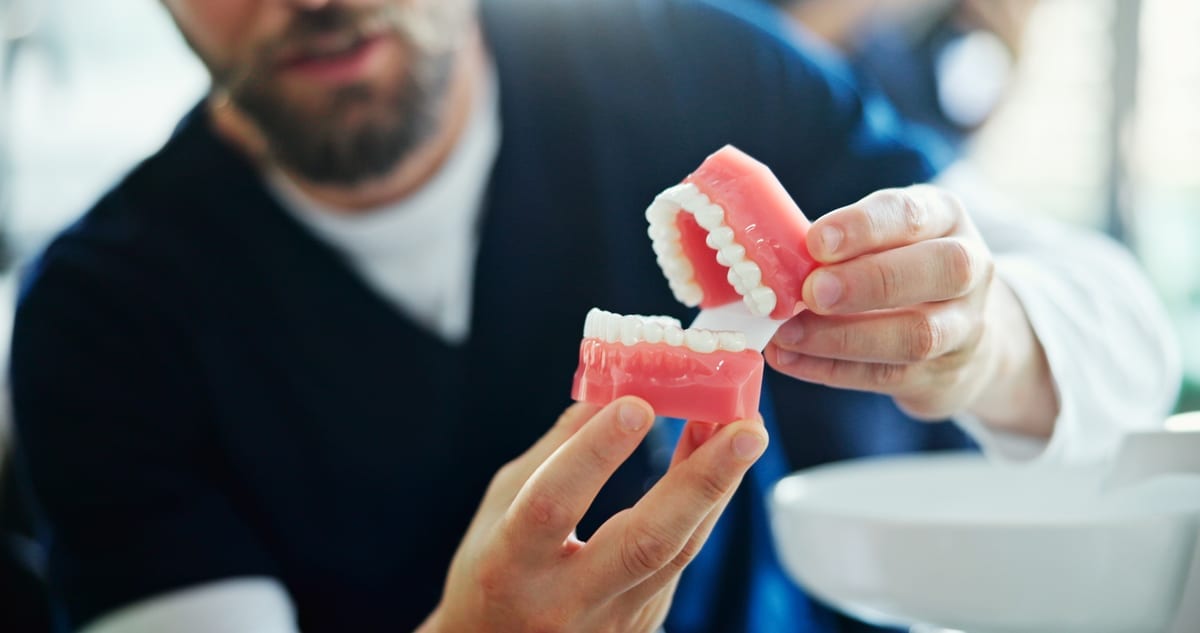
A dental implant is a small titanium post. It is placed into your jawbone to act as an artificial tooth root. Over time, it fuses with the bone in a process called osseointegration. A crown is then attached on top to complete the restoration.
This makes implants one of the most structurally sound tooth replacement options available. They do not rely on neighboring teeth for support. They also help preserve the jawbone, which can shrink after tooth loss. That bone preservation is one of their biggest long-term advantages.
Implants differ from dentures or bridges in important ways. They are permanent and fixed in place. You care for them just like natural teeth. Many patients find that difference life-changing.
Signs You May Be a Good Candidate for Dental Implants
Certain factors make a person a strong candidate for this procedure. If several of the following apply to you, implants may be worth exploring seriously.
- You have one or more missing teeth that affect your chewing or confidence
- Your jawbone is fully developed and has adequate density
- You are in generally good overall health
- Your gums are healthy and free of active periodontal disease
- You do not smoke, or you are willing to quit before and after surgery
- You are committed to good oral hygiene habits at home
- You prefer a permanent solution over removable options
- You have realistic expectations about the timeline and healing process
Bone density is especially important. The implant needs a solid foundation to fuse properly. If you have had a tooth missing for a long time, some bone loss may have already occurred. A dental evaluation can measure what is there and whether bone grafting is needed first.
Signs You May Want a Different Approach
Implants are not the right fit for everyone. There are situations where another treatment may serve you better — or where implants require additional preparation first.
- You have significant bone loss and are not a candidate for grafting
- You have uncontrolled diabetes, which can slow healing
- You take certain medications that affect bone density or healing
- You have had radiation therapy to the jaw area
- You are still growing — implants are typically not placed in patients under 18
- You grind your teeth severely without wearing a night guard
- You are not ready for a multi-step process that spans several months
None of these factors automatically disqualify you forever. Some can be managed or treated beforehand. Others simply mean a different solution — like a dental bridge or partial denture — may be more appropriate for now. Our dental team will always help you understand your full range of options.
How Your Lifestyle and Health History Matter
Your day-to-day habits play a real role in implant success. Smoking is one of the biggest risk factors for implant failure. It reduces blood flow to the gums and slows the healing process. Patients who smoke are encouraged to stop well before any procedure.
Oral hygiene habits also matter significantly. Implants cannot decay, but the gum tissue around them can still develop infection. Brushing twice daily and flossing regularly protect your investment long-term. Patients who already maintain good habits tend to see better outcomes.
It is also a great time of year to think about your oral health. Late spring brings graduations, prom season, and summer plans. Many families schedule dental appointments before the school year ends. Adding a consultation for yourself while you are already thinking about family dental care makes a lot of sense.
How a Consultation Determines the Right Path
A self-assessment is a useful starting point. But only a clinical evaluation can give you a complete picture. Our dental team uses digital X-rays and sometimes 3D cone beam imaging to assess your bone structure. We also review your full health history carefully.
During a consultation, you can ask every question you have. You will learn whether you need any preparatory treatment, such as bone grafting or gum therapy. You will also get a realistic sense of the timeline and what to expect at each stage.
The goal is never to push you toward any single treatment. It is to help you understand what will actually work best for your mouth, your health, and your life. At Gentle Smiles of Raleigh, we take that responsibility seriously. We want you to feel informed and confident in whatever path you choose.
If you have been wondering whether dental implants could work for you, the next step is simple. A conversation with our team costs you nothing but a little time. Learn More about how we can help you.
Frequently Asked Questions
How long does the dental implant process take from start to finish?
The full process typically takes between three and nine months. This includes the placement surgery, a healing period for osseointegration, and the final crown placement. Some patients may need bone grafting beforehand, which can add time. Your specific timeline depends on your bone density and overall healing speed.
Is the dental implant procedure painful?
Most patients are surprised by how manageable the procedure is. Local anesthesia is used during placement, so you should not feel pain during the surgery itself. Mild soreness and swelling are common for a few days afterward. Over-the-counter pain relievers typically manage post-procedure discomfort well.
Can dental implants fail, and what causes that?
Implant failure is uncommon but does occur in a small percentage of cases. The most common causes include poor bone integration, infection, and smoking. Uncontrolled systemic health conditions can also interfere with healing. Following your post-care instructions carefully greatly reduces your risk.
Are dental implants suitable for older adults?
Yes, age alone is not a barrier to receiving dental implants. Older adults can be excellent candidates if they have adequate bone density and good general health. A thorough evaluation is always the best way to determine suitability. Many patients in their 60s, 70s, and beyond have successful implant outcomes.
How do I care for dental implants after they are placed?
Care for implants much like you care for natural teeth. Brush twice daily with a soft-bristled toothbrush and floss around the implant regularly. Avoid using your teeth as tools and protect them if you grind at night. Regular checkups at Gentle Smiles of Raleigh help catch any issues early and keep your implants in top condition. You can learn more about our ongoing care approach on our services page.