4905 Green Road, #111, Raleigh, NC 27616


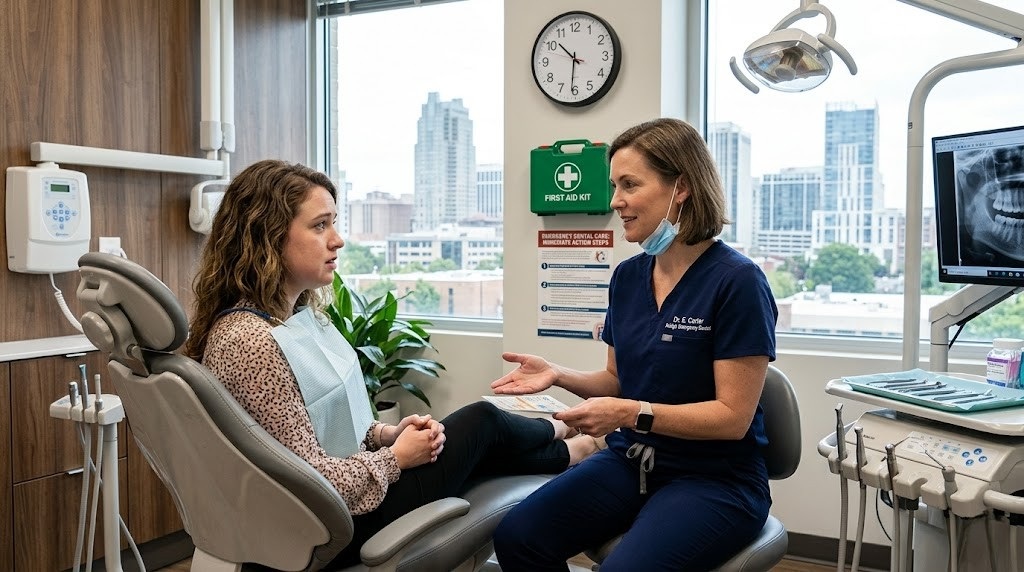
Tooth pain has a way of demanding attention. It may begin as a dull ache, appear suddenly in the middle of the night, or intensify until it becomes impossible to ignore. If you’re experiencing significant discomfort and searching for answers, you’re not alone — and knowing when tooth pain becomes a dental emergency can help you protect both your comfort and your health.
For patients in Raleigh, understanding the signs that point to emergency dental care can make a meaningful difference in how quickly relief arrives and how complex treatment becomes.
Understanding Severe Tooth Pain
Not all tooth pain feels the same. Some discomfort is temporary and mild, while other pain signals a deeper issue that requires immediate attention.
Tooth pain may feel like:
- A sharp, stabbing sensation
- A constant, throbbing ache
- Pain when chewing or biting
- Sensitivity to hot or cold that lingers
- Pressure or swelling around a tooth
While mild sensitivity can sometimes be monitored, severe or persistent tooth pain should never be ignored.
When Tooth Pain Is a Dental Emergency
A helpful rule of thumb is this:
If tooth pain is strong enough to disrupt sleep, eating, or daily activities, it should be evaluated by an emergency dentist.
You should seek emergency dental care in Raleigh if tooth pain:
- Lasts longer than 24–48 hours
- Is worsening instead of improving
- Is accompanied by swelling or fever
- Causes pain when biting or applying pressure
- Is paired with a bad taste or drainage
These symptoms may indicate infection, nerve involvement, or structural damage that requires prompt care.
Common Causes of Emergency Tooth Pain
Understanding what may be behind your pain can help clarify why timely treatment matters.
Dental Infection or Abscess
Infections often begin quietly and worsen over time. As bacteria spread, pressure builds, causing significant pain and swelling. Left untreated, dental infections can affect surrounding tissues and overall health.
Deep Tooth Decay
When decay reaches the inner layers of a tooth, pain often becomes constant and intense. At this stage, home remedies will not resolve the issue.
Cracked or Broken Teeth
Even small cracks can expose sensitive tooth layers. Pain may be sharp, sudden, or triggered by temperature changes or chewing.
Gum Infections
Advanced gum disease can cause deep, aching pain, especially when infection reaches the bone supporting the teeth.
Each of these conditions benefits from same-day evaluation by an emergency dentist.
Why Waiting Can Make Tooth Pain Worse
One of the most common reasons people delay care is hope — hope that the pain will fade on its own. Unfortunately, dental pain rarely resolves without treatment.
Delaying emergency care can lead to:
- Increased infection risk
- More extensive treatment needs
- Higher costs over time
- Greater discomfort and swelling
Early intervention often allows for simpler, more conservative treatment.
What to Do When You Have Severe Tooth Pain
If you’re experiencing significant tooth pain, these steps may help until you’re seen by a dentist:
- Rinse gently with warm water
- Avoid chewing on the painful side
- Do not apply heat to swollen areas
- Contact an emergency dentist in Raleigh as soon as possible
Over-the-counter pain relief may reduce discomfort temporarily, but it does not address the underlying cause.
How an Emergency Dentist Can Help
An emergency dental visit focuses on two priorities: relief and clarity.
During an emergency appointment, your dentist may:
- Identify the source of pain through examination and imaging
- Reduce discomfort and inflammation
- Address infection or damage
- Explain treatment options clearly
- Help you decide on next steps
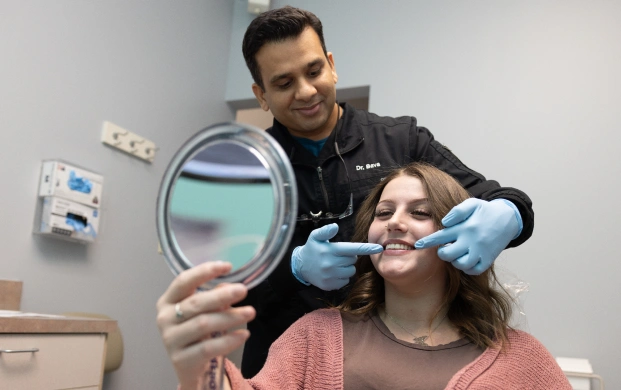
At Gentle Smiles of Raleigh, emergency care is designed to feel calm, respectful, and unhurried — even when treatment is urgent.
Tooth Pain and Dental Anxiety
Tooth pain can heighten anxiety, especially for patients who already feel nervous about dental visits. This is more common than many realize.
Gentle emergency care means:
- Explaining each step before treatment
- Moving at a patient-controlled pace
- Prioritizing comfort and communication
If fear has delayed your care in the past, know that compassionate, gentle options are available.
Emergency Dentist vs. Waiting for a Routine Appointment
Routine dental appointments are important for prevention, but severe tooth pain requires a different response.
| Routine Dental Visit | Emergency Dental Visit |
|---|---|
| Preventive care | Immediate pain relief |
| Scheduled in advance | Same-day evaluation |
| No active pain | Active discomfort or infection |
If pain is present now, emergency care is the appropriate path.
When to Call an Emergency Dentist
If you’re unsure whether your tooth pain qualifies as an emergency, consider this guidance:
You should call if:
- Pain is severe or constant
- Swelling is visible
- Sleep or eating is affected
- You feel uncertain or concerned
It’s always better to ask than to wait.
Supporting Long-Term Oral Health After Emergency Care
Once pain is resolved, follow-up care helps prevent future emergencies. This may include:
- Routine exams and cleanings
- Addressing early signs of decay
- Protecting weakened teeth
Preventive care plays an important role in reducing future dental emergencies. Learn more about ongoing care with a trusted Raleigh dentist
Key Takeaway: Listen to Tooth Pain
Tooth pain is the body’s way of signalling that something needs attention. When pain is severe, persistent, or worsening, seeking care promptly can protect both comfort and long-term health.
If you’re experiencing tooth pain and searching for guidance, emergency dental care is available to help you move forward with clarity and relief.
Frequently Asked Questions About Tooth Pain
How long should I wait before seeing a dentist for tooth pain?
If pain lasts more than a day or worsens, it’s best to seek evaluation.
Is throbbing tooth pain serious?
Throbbing pain often signals infection or nerve involvement and should be evaluated promptly.
Can a tooth infection go away on its own?
No. Dental infections typically require professional treatment.
What if tooth pain comes and goes?
Intermittent pain may still indicate an underlying issue that should be examined.
Does emergency dental care hurt?
Emergency care prioritizes comfort and pain relief.