4905 Green Road, #111, Raleigh, NC 27616


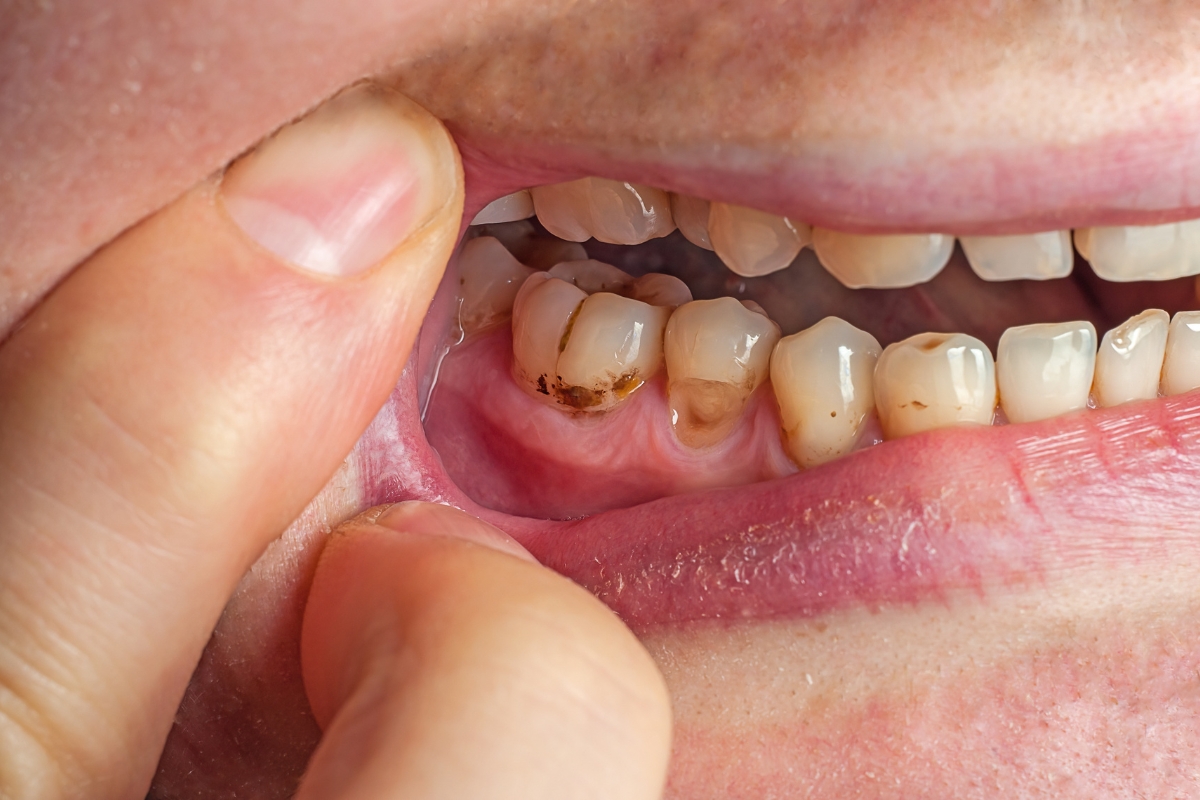
Dental health is key to your overall well-being, yet cavities are still one of the most common dental problems in the U.S. Cavities, or dental caries, affect all ages. They can cause pain, discomfort, and in severe cases, tooth loss. This guide helps understand the causes of cavities, how to spot symptoms, and what you can do to prevent them, keeping your smile healthy.
What Are Cavities?
Cavities are small holes in teeth that are caused by decay. This decay occurs when bacteria in the mouth produce acids that erode the enamel, the hard, protective outer layer of teeth. If left untreated, cavities can reach the dentin and pulp, leading to pain, infection, and the need for major treatments such as root canals or even tooth extractions.
Causes of Cavities
Cavities result from a combination of factors that weaken your teeth over time. Key causes include:
Poor Oral Hygiene
Neglecting to brush and floss allows plaque—a sticky layer of bacteria—to build up. These bacteria produce acids that gradually erode the enamel, leading to cavities.
High Sugar and Acidic Diet
Consumption of sugary foods and drinks, such as soda, candy, and processed snacks, feeds bacteria in the mouth, accelerating tooth decay. Acidic foods and beverages can also weaken enamel, making teeth more vulnerable.
Dry Mouth
Saliva naturally neutralizes acids and washes away food particles. A decrease in saliva production, often caused by dehydration, certain medications, or medical conditions, increases the risk of cavities.
Weak Enamel
Some people naturally have weaker enamel due to genetics or medical conditions, which makes teeth more prone to decay even with good oral hygiene.
Symptoms of Cavities
Cavities often develop silently, and early stages may not show obvious signs. Common symptoms include:
- Toothache or spontaneous pain without an apparent cause
- Sensitivity to hot, cold, or sweet foods and beverages
- Visible holes or pits on the tooth surface
- Brown, black, or white staining on teeth
- Discomfort when biting or chewing
Early detection helps prevent complications and minimize the need for invasive treatments.
How to Prevent Cavities
Preventing cavities requires a combination of good oral hygiene, dietary management, and regular dental care. Key preventive measures include:
Maintain Proper Oral Hygiene
Brush your teeth at least twice a day using fluoride toothpaste and floss daily to remove plaque from areas brushing alone cannot reach.
Limit Sugary and Acidic Foods
Reducing sugary snacks, sodas, and acidic drinks helps protect enamel and lowers the risk of tooth decay.
Visit Your Dentist Regularly
Routine dental checkups and professional cleanings can detect early signs of cavities and prevent progression.
Use Fluoride Products
Fluoride strengthens enamel, making teeth more resistant to decay. Use fluoride toothpaste, mouth rinses, or professional fluoride treatments recommended by your dentist.
Stay Hydrated
Drinking plenty of water supports saliva production, which naturally helps clean the mouth and neutralize acids.
When to See a Dentist
If you notice tooth pain, sensitivity, or visible holes in your teeth, schedule a dental visit promptly. Early intervention can prevent the cavity from worsening and save you from more costly and painful dental procedures.
Conclusion
Cavities are highly preventable with good oral hygiene, a healthy diet, and routine dental visits. By understanding the causes and symptoms, you can take proactive steps to protect your teeth and maintain a confident, healthy smile. Simple daily habits go a long way in reducing your risk and supporting long-term dental health.
Ready to protect your smile? Call Smiles of Raleigh at 919-872-1700 to book your preventive checkup today!